
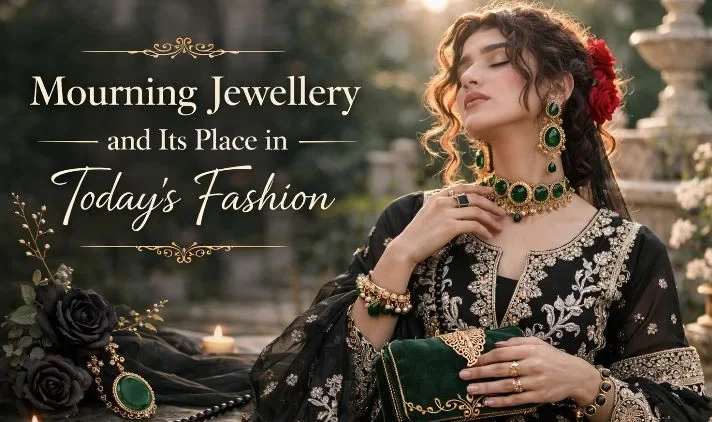
Have you ever kept something special, such as a loved one’s jewellery, after they died? Belongings of such persons, especially jewellery, carry emotions, memories, grief, and connections, these type of jewellery named as mourning jewellery. In the past, jewellery was primarily about looks or enhancing beauty.
Today, jewellery is not just about looks; it also focuses on emotions, symbols, and the stories behind it. This is why mourning jewellery is back in modern designs: it makes the jewellery look aesthetic and helps people remember the past while living in the present. That also shows that jewellery is not just about appearance; it can express love, remembrance, and emotions.
In this blog, we explore what mourning jewellery is, its history, its influence on modern jewellery designs, and how mornee jewellery uses these styles in its pieces.
What is Mourning Jewellery?
Mourning jewellery is a type of jewellery that is worn in mourning of the death of a loved one. It entered the broader consciousness when Queen Victoria lost her husband and started wearing a certain type of jewellery which became the trend, so people began emulating her’ Guy Burton-Fuller, head of fine watches at Bonhams Australia.
As times change and the fashion of people and attitudes towards death are changing, it’s one of those traditions that will fall away. Today, it is seen as a poignant historical reminder of how people expressed their love, respect and bereavement.
A Brief History of Mourning Jewellery:
Mourning jewellery has been worn since the Middle Ages to show respect and love for loved ones. In the 16th and 17th centuries, it became widespread, and people began wearing the jewellery to honour the dead. In the Middle Ages, mourning jewellery designs included symbols and skulls that reminded the wearer of death.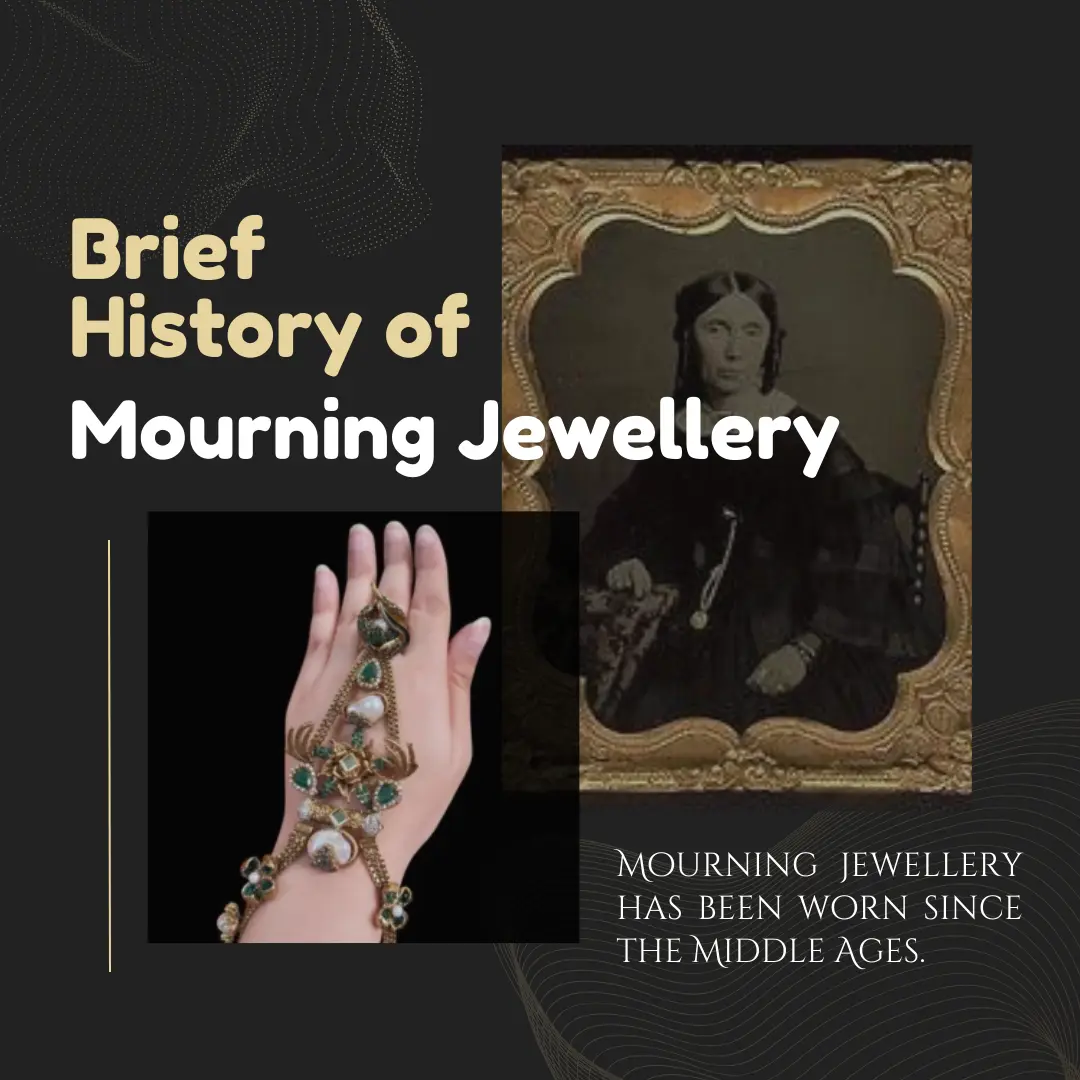
During the 17th and 18th centuries, the mourning jewellery tradition became well known, especially in England, when Queen Victoria wore black jewellery after her husband’s death to show her grief, respect, and love. Her way of showing grief influenced society; mourning jewellery became a way to express loss.
By the early 20th century, diversity in fashion, societal norms, and attitudes had led to the fading of traditions and practices around death. Now, it is no longer popular among present people. They don’t consider it appropriate to wear on occasions of death.
Over time, these jewellery designs became more personal and emotional, tied to remembrance. This jewellery is not worn as a decorative piece, but to stay connected with their loved ones, especially when they have passed away.,
Materials Used in Traditional Mourning Jewellery:
Mourning jewellery was designed or made up of different materials that show love, gratitude and respect for the person who died.
Jet:
A wood that is black, shiny and easy to wear. This material is used in different items of mourning jewellery.
Enamel:
It is a kind of thin layer that coats jewellery items. White enamel was used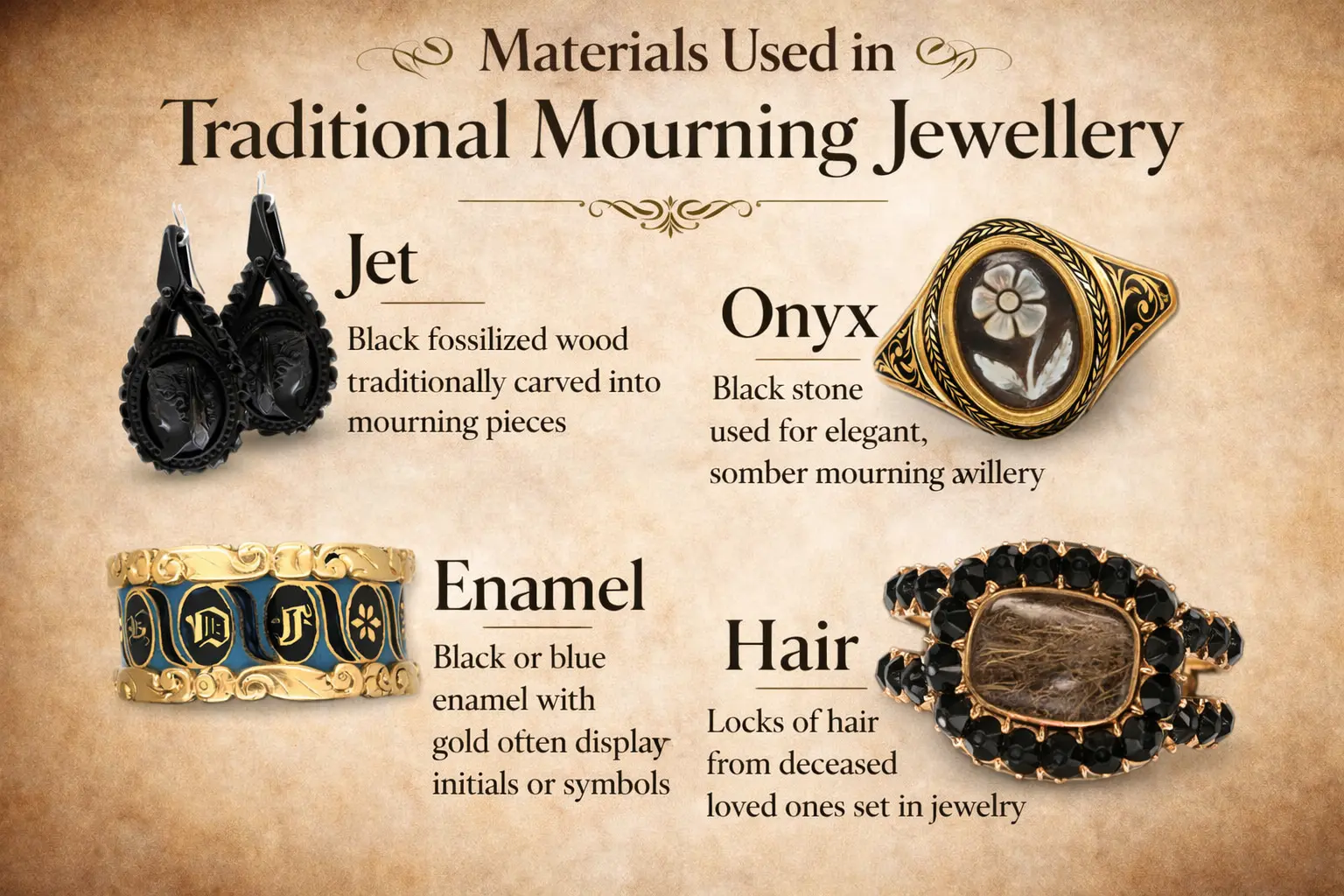 to remember unmarried people or children. Black enamel is used to remember adults.
Onyx:
A black stone which symbolises loss and grief. It looks shiny and polished.
Gold and Silver:
These kinds of metals are used to hold or design the jewellery. The designs were simple and looked respectful and serious.
Human Hair:
The most prestigious material of the person who has died. Sometimes, we weave these materials into pendants and rings. This helps people feel close to their loved ones.
Other Materials:
Ivory, beads, pearls, and glass are also sometimes used to add small decorations. Each item is chosen carefully, not to look nice, but to serve its purpose. To remember their loved ones, wear these pieces of jewellery.
Designs, Motifs, And Symbolism:
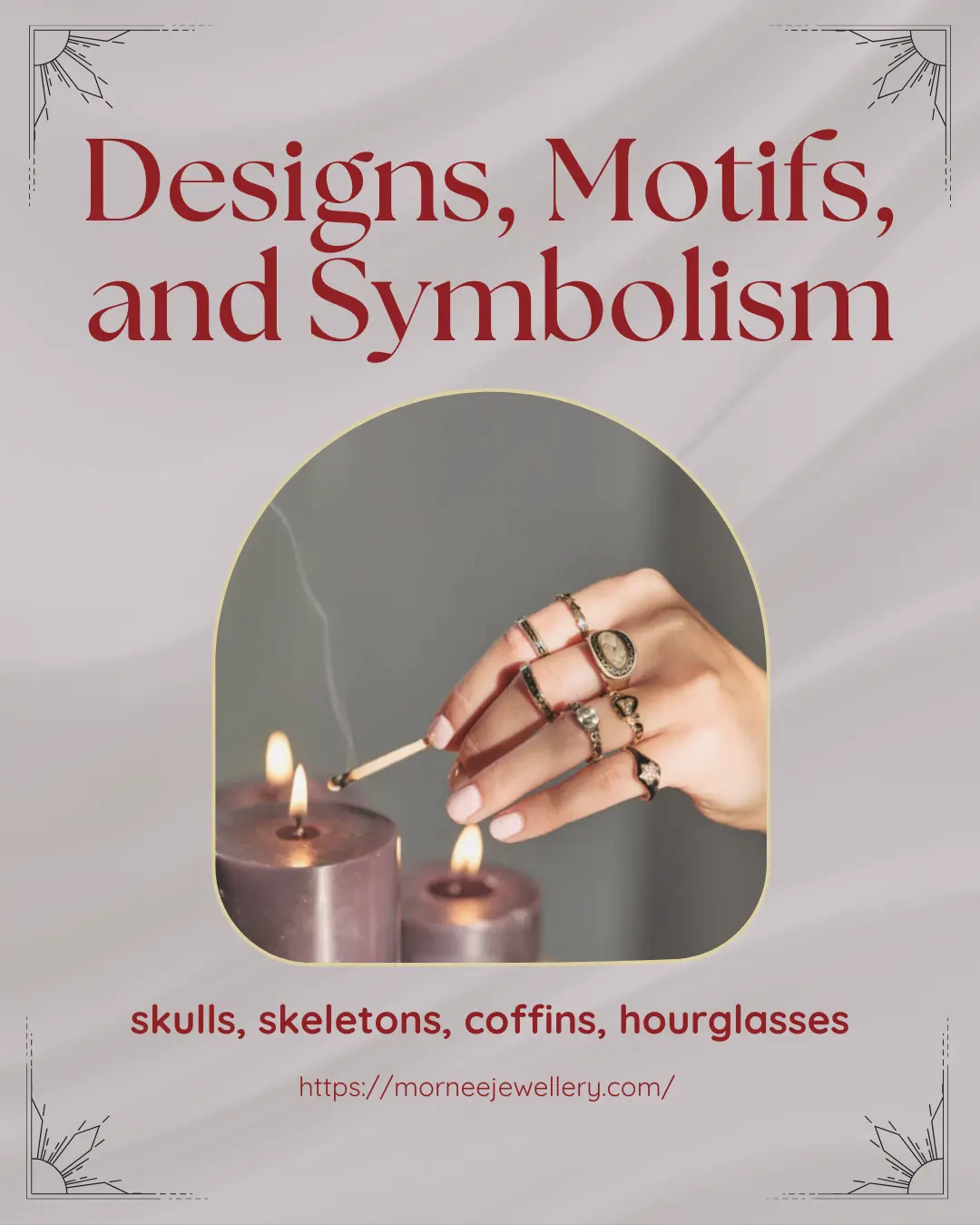 Antique mourning jewellery was made to mourn the dead in particular. The majority of the items have initials, dates, or short messages which identify the person who wore them and served as a reminder to remember their loved ones.
Symbols, too, were often employed; skulls, skeletons, coffins, hourglasses — all carried specific meaning designed to remind people that life is short and tenuous. The urns a sign of remembrance, respect, and honour to the dead; and the willow tree as signs of love, sadness, and mourning.
In the 18th century, mourning rings would contain a morality symbol such as a skeleton and funeral symbols; not only to remember loved ones but to remind owners that life is short. Portraits and mini pictures of the deceased sometimes appeared in mourning jewellery.
Those jewellery pieces are generally in dark colour, typically black colour; both these elements combine to make jewellery a potent symbol of love and loss or remembrance.
Purpose and Social Context:
Jewellery was worn as a sign of mourning for the deceased. It reminds me death is inevitable. Mourning jewellery was token of Loss creations such as clouds and angels. Society dictates what to wear, including jewellery, and for how long it is appropriate to mourn.
Victorian mourning jewellery was regarded as a way to help remember the dead. There were other rituals, too, although dress codes were most strictly observed — by women, as you’d expect. All black was worn, similar to what is known as “deep mourning,” which lasts for about two to three years.
The inclusion or retention of a portion of the deceased’s hair was no less common in mourning jewellery. Jet was the most common material utilized for mourning jewellery followed by gutta-percha and vulcanite. Children could arrive at pearls, symbolizing tears.
Types of Mourning Jewellery:
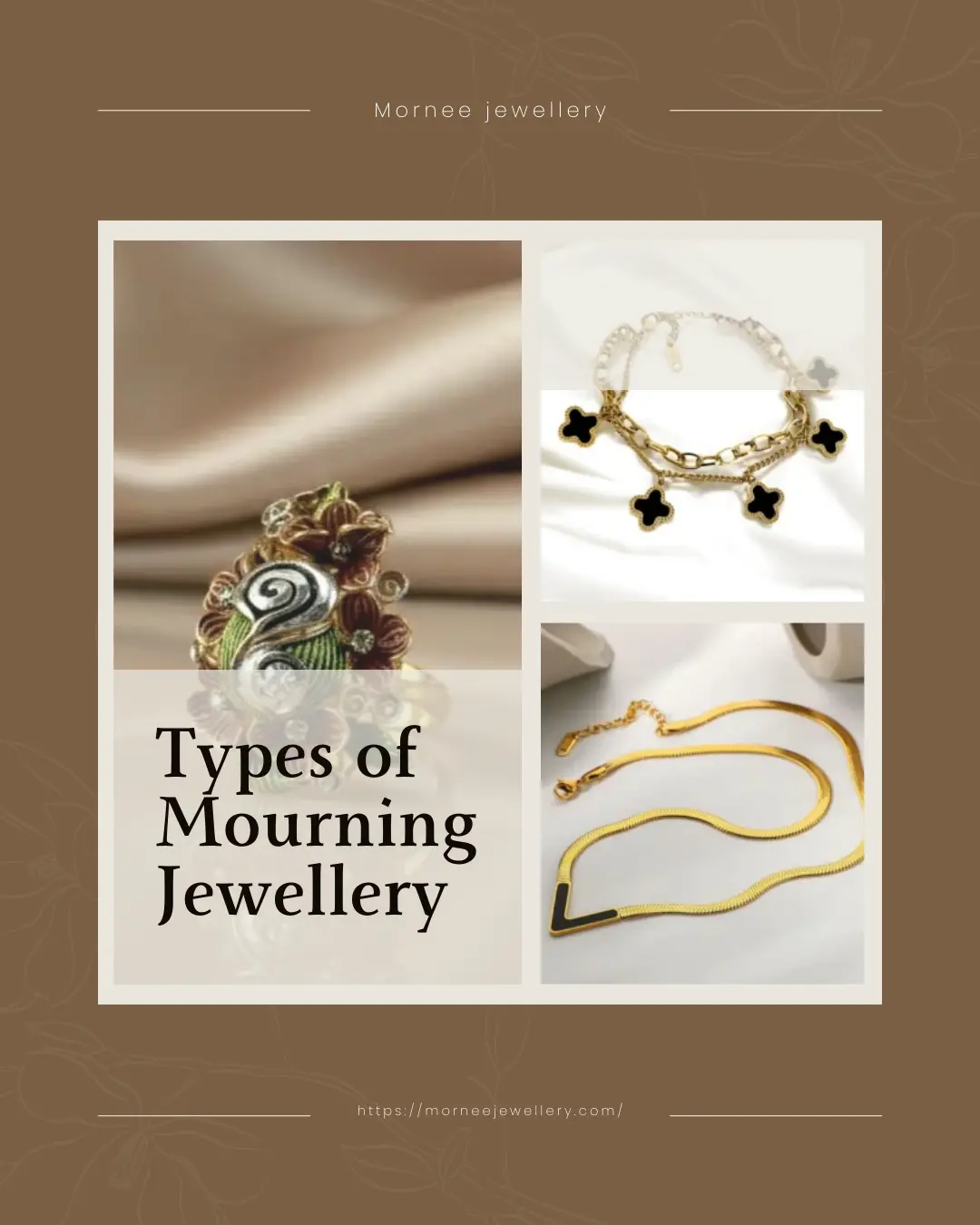
Mourning jewellery was designed or made up of different materials that show love, gratitude, and respect for the person who died.
Rings:
Mourning rings were considered very common to give to close ones and family members of the deceased. They also featured the deceased person’s name and date of death to remember.
Brooches:
Brooches in different designs, incorporated into hair, can be kept close to the heart. Lockets: Mourning Lockets were also used to incorporate things of the deceased.
Pendants & Bracelets:
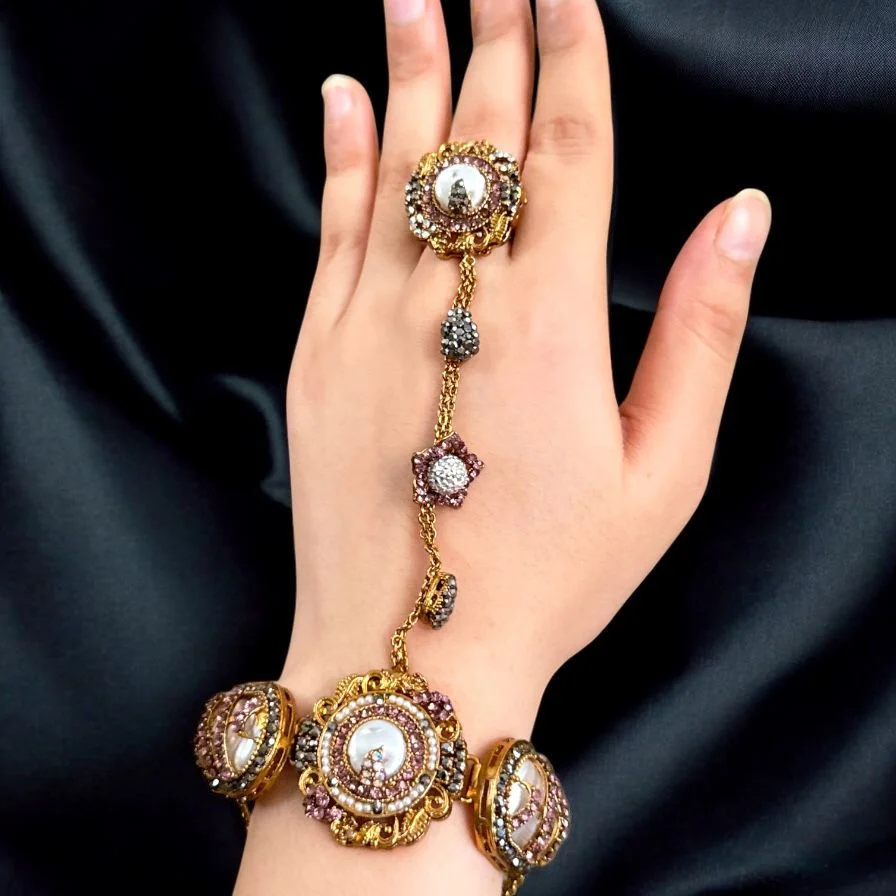
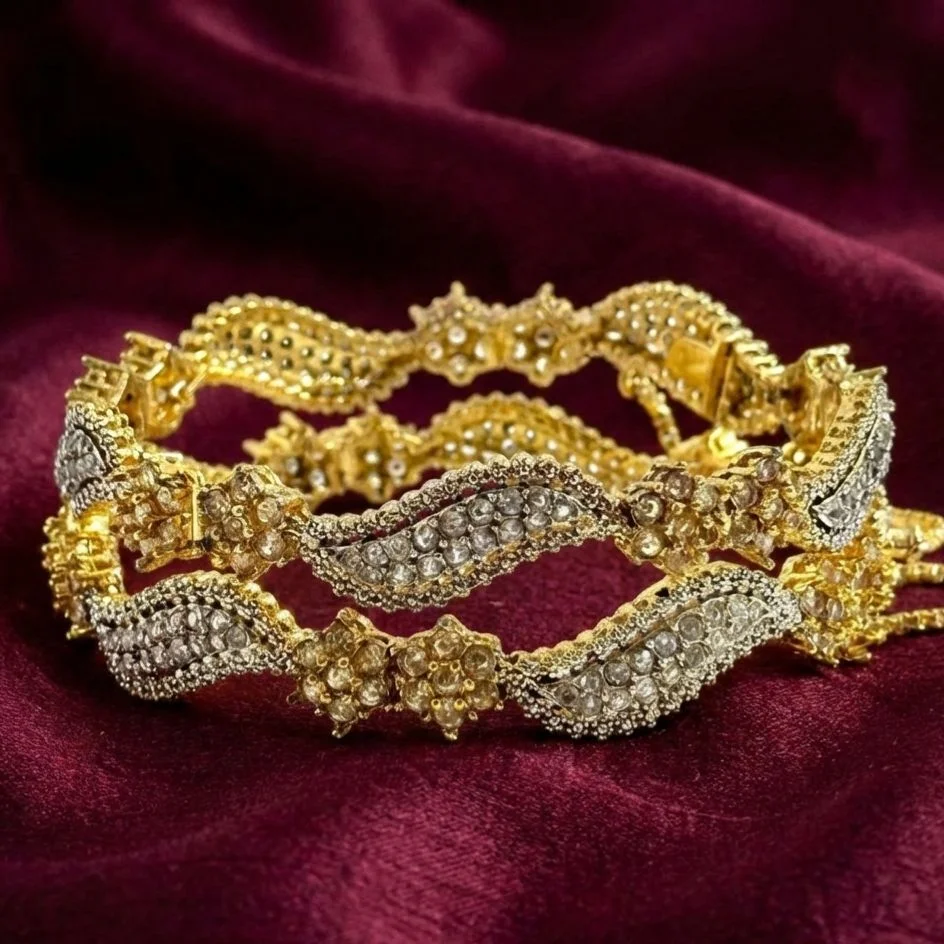
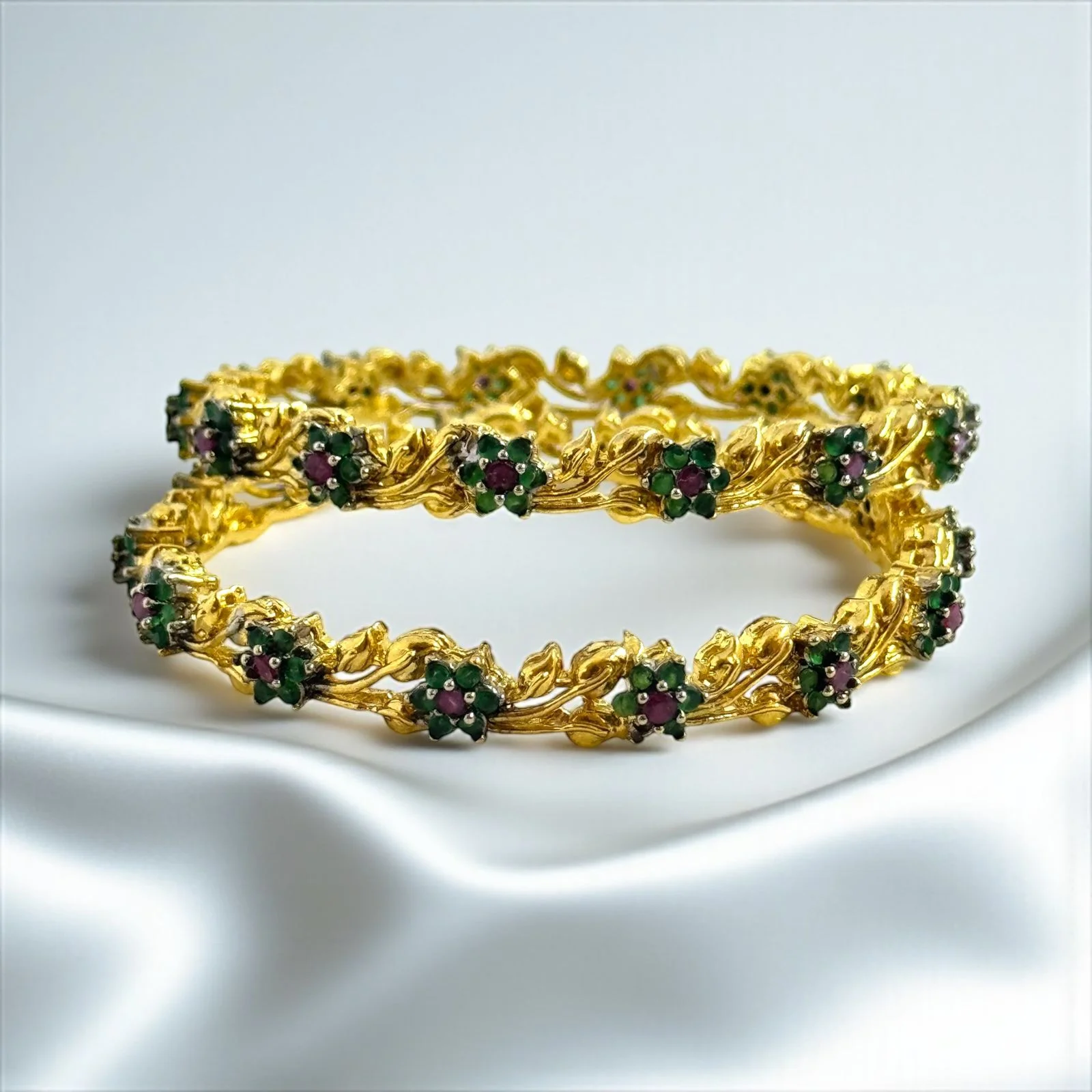
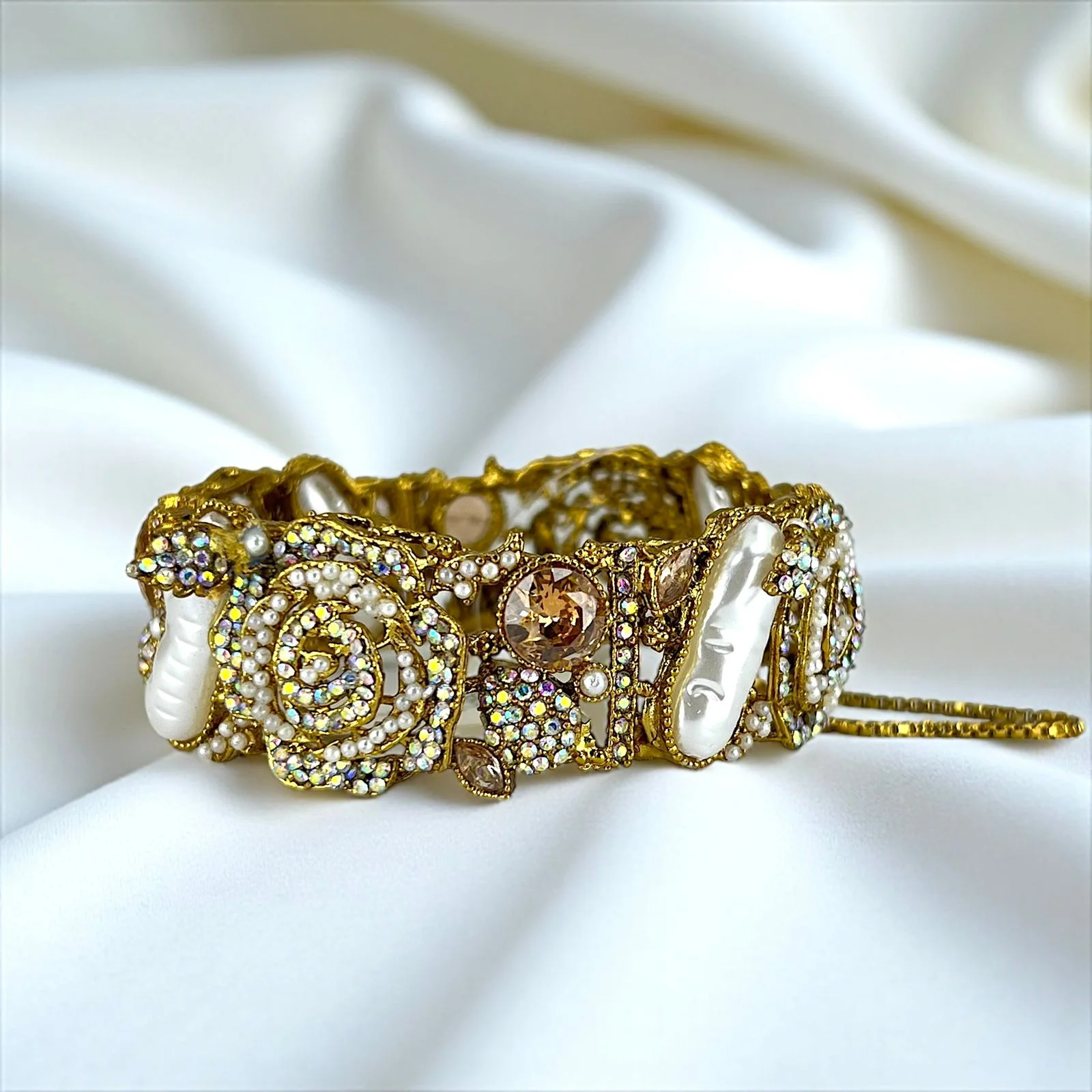
These were also considered the symbol of death; people designed them in memory of loved ones. Here are some bracelets and pendent from Mornee jewellery that are quite simialr to them:
- All Products
- Bracelet
- Bangles
- All Products
- Back
- Chokar
- Mala sets
- Sets
- Single Mala
- Collar Sets